
About
I am an international relations scholar specialising in environmental governance, with a sustained focus on the polar regions. My research examines how international institutions operate under complex authority, environmental protection, and commercial pressure, with particular attention to Antarctica and the Arctic.
Across my work, I am interested in how norms, authority, and legitimacy are constructed and maintained in governance settings.
Foundations & Early Research
First years: people and the state
This work grounded my understanding of the practical and conceptual challenges of international governance—specifically the limits of legal authority, the fragmentation of institutional responsibility, and the persistent gap between normative commitments and local implementation.
Sovereignty & Legitimacy
My early research focused on institutional responsibility and protection within vulnerable systems. Working as a research assistant, I mapped the international institutions and normative frameworks designed to protect internally displaced persons (IDPs).
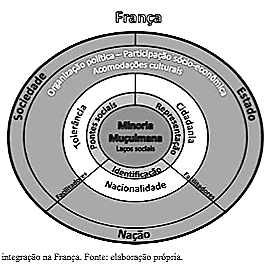
During my Masters of Research in Sociology, I conducted an in-depth study on the integration of religious minorities in liberal democracies, using France as a primary case study. This research examined how national identity, secularism, and state institutions mediate inclusion and exclusion, and how normative principles translate into legal and administrative practice.
Together, these projects fuelled my interest in the structural foundations of nation-states, the formation of political communities, and the conditions of institutional legitimacy. Crucially, they provided the conceptual foundation for my subsequent work on sovereignty and governance beyond the nation-state.
The Environment Shift & Policy
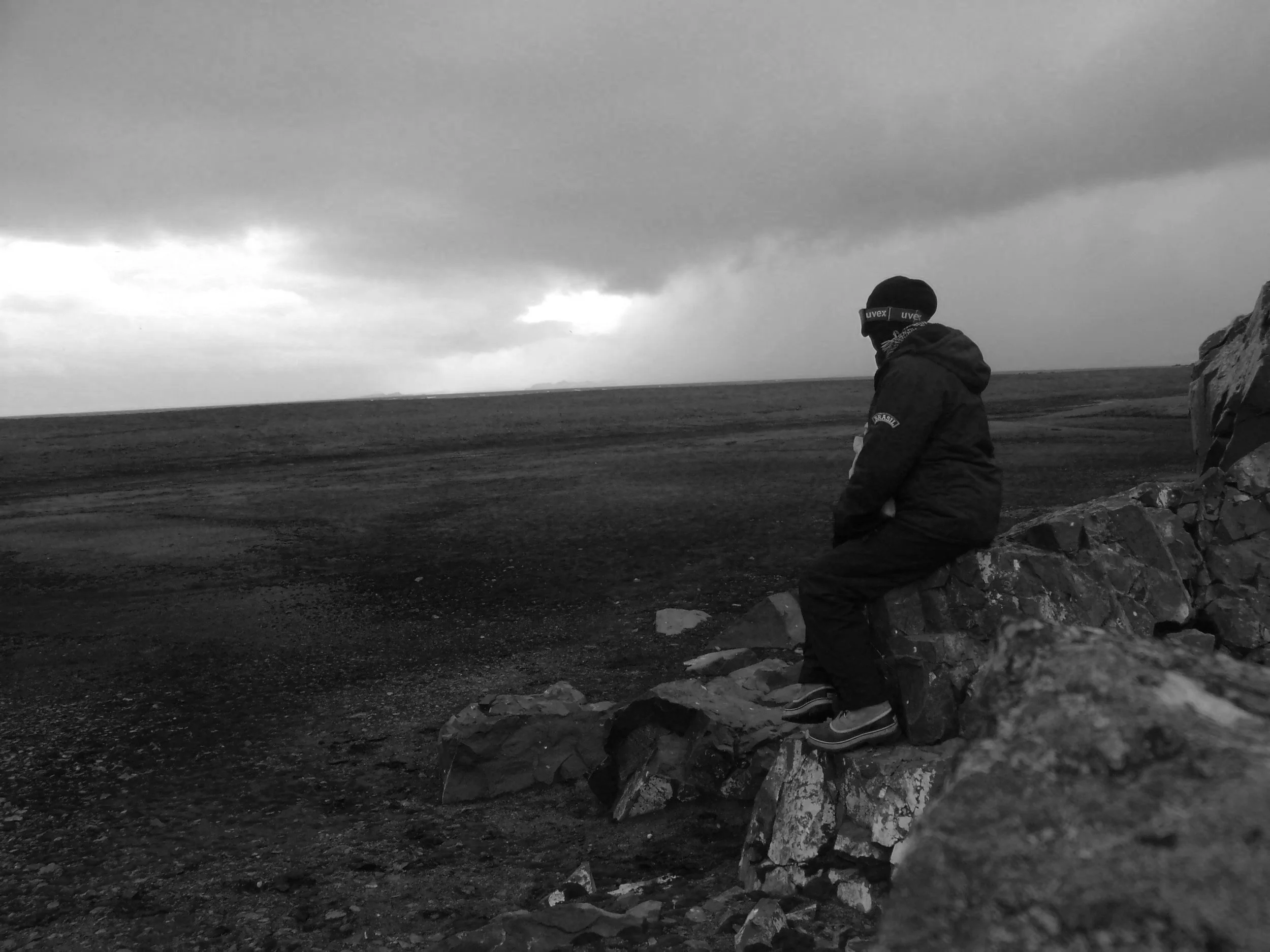
From 2011 onward, my research agenda pivoted decisively toward environmental governance. Conducting fieldwork in Antarctica embedded me within the institutional and diplomatic specificities of the Antarctic Treaty System—a unique framework that sustains international cooperation entirely in the absence of settled sovereignty.
This field insight became the catalyst for my doctoral research, which analysed how authority, territoriality, and consensus operate within Antarctic governance, and how these mechanics diverge from traditional international regimes.
From Observation to Operation: Working Within the Secretariat and ATCMs
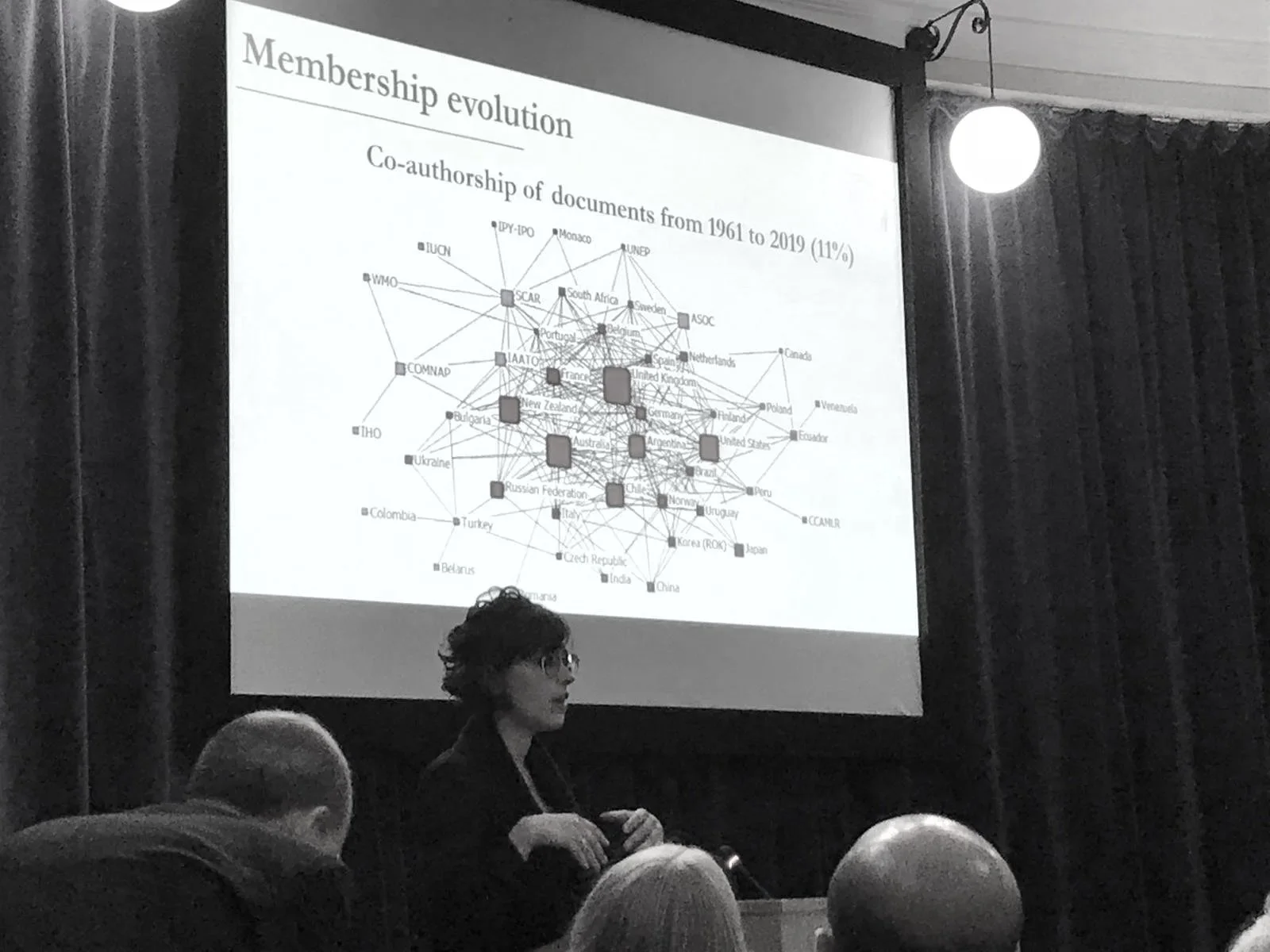
Parallel to my research, I maintain a long-standing engagement with policy and practitioner communities. I have operated within the Antarctic Treaty Systems as a secretariat advisor supporting Antarctic Treaty Consultative Meetings (ATCMs). This has afforded me first-hand insight into multilateral negotiations, institutional practice, and the mechanics of translating legal, scientific, and normative expertise into collective decision-making.
Bridging Theory and Terrain: The SWITCH Project & Antarctica
Following my Master’s degree, I drove applied research projects analysing the practical dynamics of participatory democracy, notably through the SWITCH (Sustainable Water Management Improves Tomorrow’s Cities’ Health) initiative. Within this global project, I collaborated across cross-sector research networks and co-produced a documentary filmto translate complex scientific outputs for public audiences.
My subsequent research, supported by two prestigious Marie Skłodowska-Curie Postdoctoral Fellowships, builds on addressing urgent polar governance challenges: the regulation of tourism growth, marine environmental protection, emergency response logistics, and liability regimes within complex international settings.
Across these initiatives, I combine documentary analysis, interviews, and comparative qualitative methods to evaluate how environmental governance operates under pressure at the interface of diplomacy, science, industry, and public policy.