
Project Summary
2017-2019
Marie Skłodowska-Curie Fellowship
POLARGOV proposed to research in what extent the Antarctic Treaty was able to address resource regime activities, changing from an environmental regime to a resource one. The Antarctic Treaty has so far operated successfully on a consensus decision-making basis and the suspension of sovereignty claims has set a more complex governance framework in the region.
Commercial activities such as tourism and fishing, challenge the extent in which the Treaty can be acknowledged as the main governing body in the region. As both activities involve multi-level governance, POLARGOV evaluated the resilience of the Antarctic Treaty to institutional innovation when managing tourism and when designating Marine Protected Areas (MPAs). Antarctic Tourism has grown exponentially in the last years, as well as proposals for MPAs have been stagnated in the meetings of the Convention for the Conservation of Antarctic Marine Living Resources (CCAMLR).
The balance between environment protection and human activities is one of the greatest challenges of our times. Therefore the Antarctic Treaty can offer important lessons to global governance arrangements around the world. The ability to reach agreement on certain topics - such as scientific research and environmental protection - whilst manoeuvring those that would involve a sovereignty solution, it is one of the biggest achievements of the regime.
POLARGOV mapped the institutional evolution of Tourism and MPAs designation through the agreements reached at the Treaty, and the scholarship about both cases. POLARGOV identified the main stakeholders and attended their meetings in 2018. Through 70 interviews, POLARGOV gathered their perspective on the management of Antarctic Tourism and MPAs.
At the end, POLARGOV concluded that tourism stakeholders diverge on how tourism should be managed. Although an informal public-private partnership seems to be the favoured model, there was no consensus if the International Association of Antarctic Tour Operators (IAATO) should be the leading body. Whereas MPAs stakeholders tended to support the current framework, rejecting forms of co-management.
Outreach outputs
PolarGov video (MSCA Awards 2019, Finalist at ‘Scientific Careers for Policy Making’)
Polar Tourism Workshop, Royal Geographical Society, April 2018

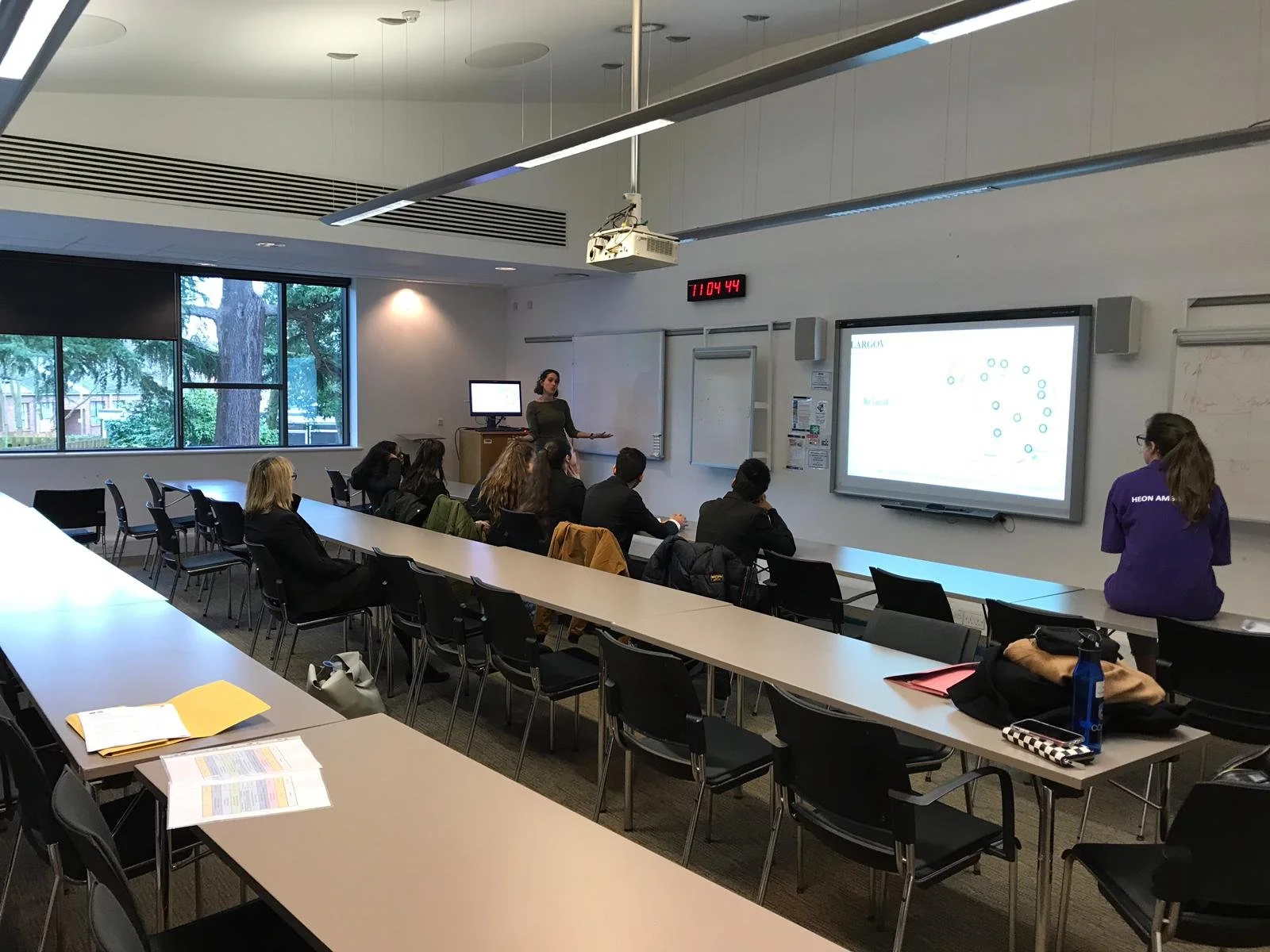
MPA Negotiation Simulation with (HEON & RHUL), December 2018
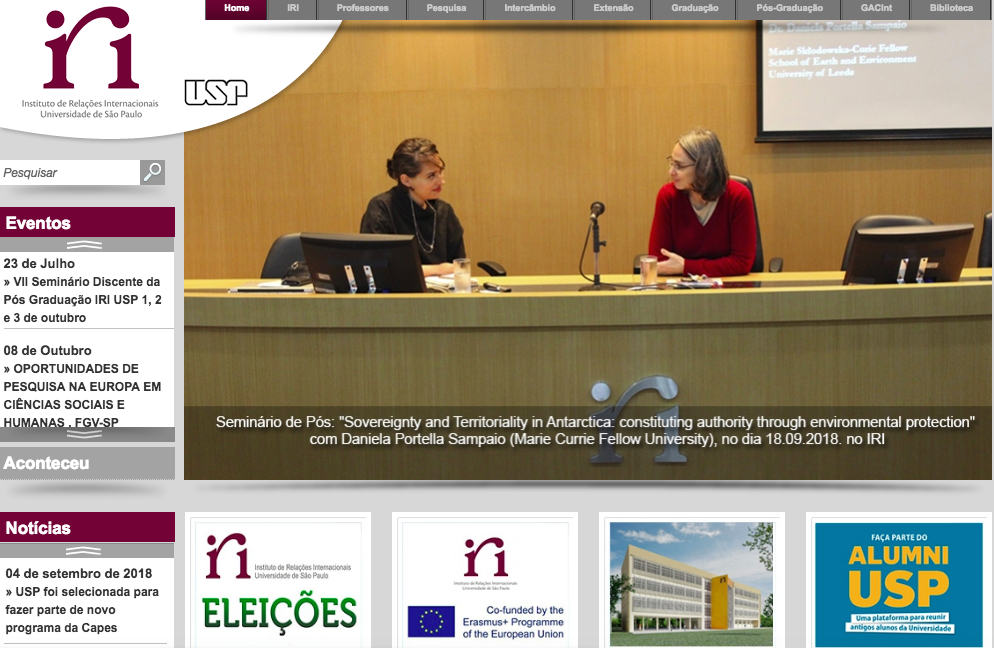
Seminar at University of São Paulo, September 2018