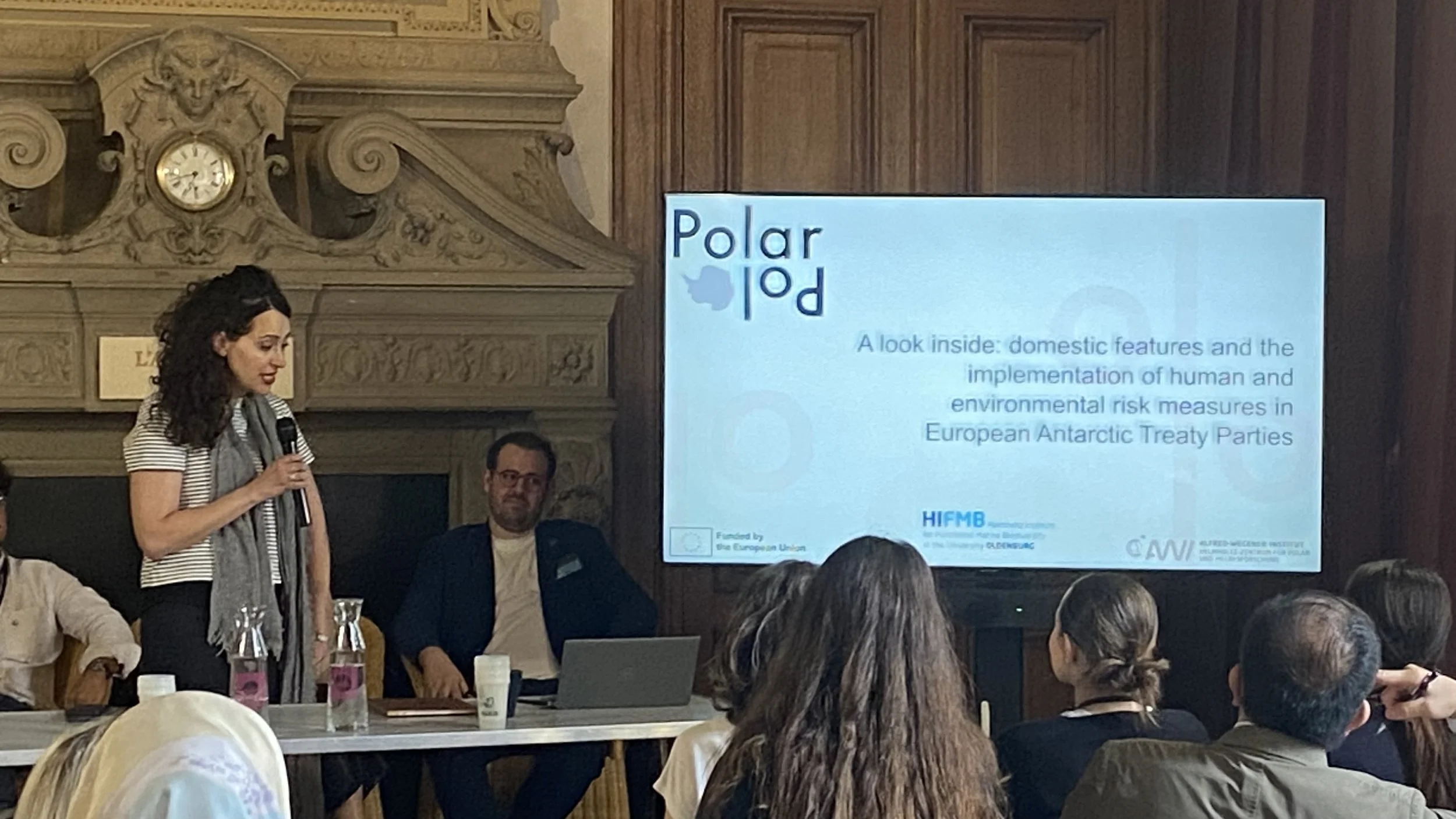
Project Summary
2023-2025
Marie Skłodowska-Curie Fellowship

Bringing public policy analysis to polar research, PolarPol applies Qualitative Comparative Analysis and Process Tracing to map these domestic conditions systematically for the first time. Its specific research objectives were to (1) identify material and institutional factors affecting implementation; (2) examine policymaking dynamics and actor interactions; and (3) reveal common traits among implementers and non-implementers to inform capacity-building across Europe.
Alongside its scientific aims, the project also trained the fellow as a future policy advisor and leading researcher in polar and environmental governance, combining advanced research skills with hands-on experience in science–policy interface.
By clarifying how domestic structures influence global environmental commitments, PolarPol helps European actors strengthen compliance, reduce risks to people and ecosystems in Antarctica, and contribute to a more coherent European vision for polar governance—supporting the broader goals of the European Green Deal and international environmental security.
Antarctica’s governance is exceptional: no country owns it, yet over sixty nations cooperate under the Antarctic Treaty System to ensure peaceful, scientific, and environmentally responsible presence in the continent. While this regime has prevented sovereignty disputes and supported collaboration since 1961, it depends on each Party’s voluntary domestic implementation of agreed recommendations and measures.
This has proven to be a persistent weakness. Several European Parties have not yet implemented legally binding instruments such as Measure 4 (2004), on human safety, and Measure 1 (2005), on environmental liability—leaving important gaps in emergency preparedness and environmental protection.
PolarPol was created to understand why some countries have implemented while others delay. It asks which infrastructural, bureaucratic, and political-legal factors enables implementation in the absence of supranational enforcement. By analysing European Union and European Economic Area Treaty Parties—countries with shared governance values but varying capacities—the project investigates how national institutions, funding models, and policymaking processes shape commitment to Antarctic obligations.
Outreach outputs
PolarPol table top game
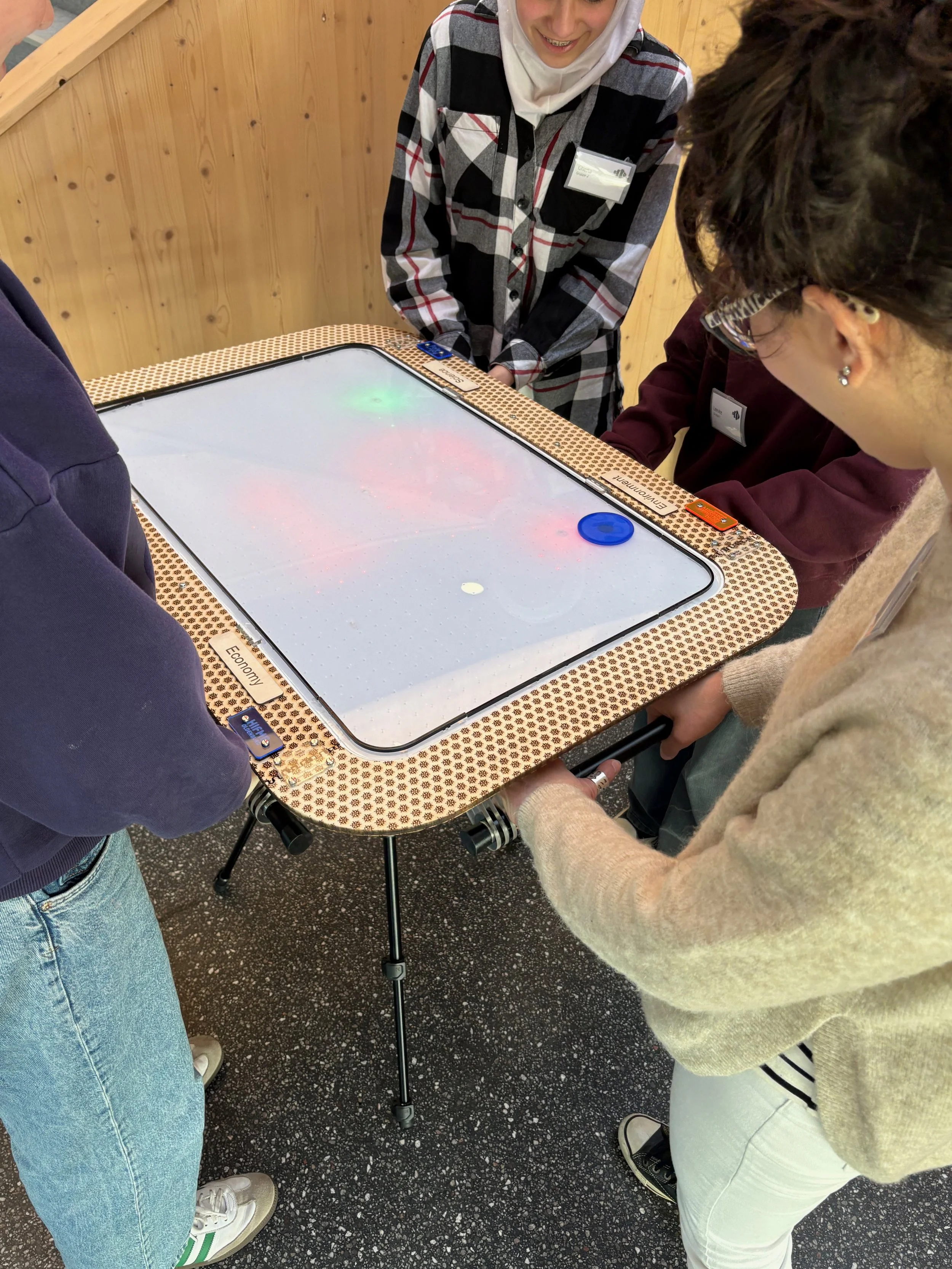
SCAR Ant-ICON Workshop, July, 2025
Zukunftstag (Day of Future), April, 2025